Description
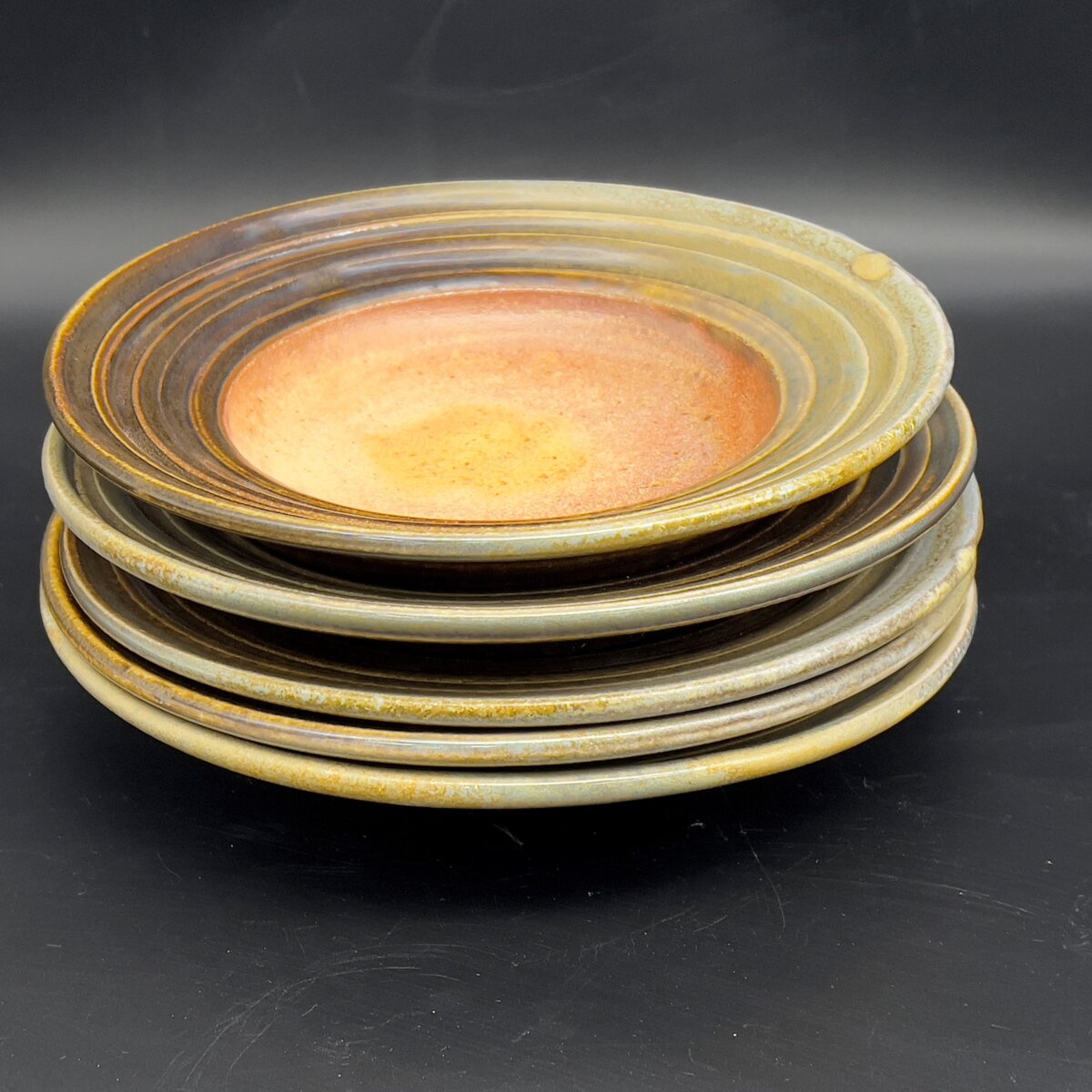
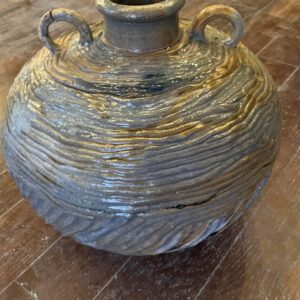
Price is per piece. These 9″ pasta bowls were hand-made in Santa Fe by Angela Smith Kirkman and wood-fired in an Anagama kiln on Taos Mesa, north of Santa Fe. The anagama kiln (Japanese for “cave kiln” Kanji: 穴窯/ Hiragana: あながま) is an ancient type of pottery kiln that has been fired for thousands of years. The anagama is fueled with firewood, in contrast to the electric or gas-fueled kilns commonly used by most modern potters. A continuous supply of fuel is needed for firing, as wood thrown into the hot kiln is consumed very rapidly. Stoking occurs round the clock for multiple days and involves dozens of local artists. Burning wood produces heat of up to 2,500 °F and releases fly ash and volatile salts, which settle on the pieces during the firing. The complex interaction between flame, ash, and the minerals of the clay body forms a natural ash glaze. This glaze may show great variation in color, texture, and thickness, ranging from smooth and glossy to rough and sharp. The placement of pieces within the kiln distinctly affects the pottery’s appearance, as pieces closer to the firebox may receive heavy coats of ash, or even be immersed in embers, while others deeper in the kiln may only be softly touched by ash effects. Other factors that depend on positioning include temperature and oxidation/reduction. Besides location in the kiln, (as with other fuel-fired updraft kilns) the way pieces are placed near each other affects the flame path, and, thus, the appearance of pieces within localized zones of the kiln can vary as well. It is said that loading an anagama kiln is the most difficult part of the firing. The potter must imagine the flame path as it rushes through the kiln and use this sense to ‘paint the pieces with fire’. The length of the firing depends on the volume of the kiln and may take anywhere from 48 hours to 12 or more days. The kiln generally takes the same amount of time to cool down. Records of historic firings in large Asian kilns shared by several village potters describe several weeks of steady stoking per firing.


Reviews
There are no reviews yet.